
Fashion is strange in the best way possible. One day, something looks “too much” on a luxury runway, and a few months later you see a similar version being worn at a birthday party, in college, or even at a chai stall. That’s how trends travel — from exclusive fashion shows to everyday life. But how exactly does that happen? How does something worn by a model in Paris suddenly become part of your Instagram feed and then your local market?
Let’s break it down in a real, simple way.
The Birth of a Trend: The Runway Moment
Most trends usually begin at big fashion weeks in cities like Paris, Milan, New York City, and London. Designers showcase their new collections months before they hit stores. These shows are not just about clothes — they are about storytelling. The lighting, music, makeup, even the way models walk, everything is carefully planned.
Big fashion houses like Gucci or Balenciaga often experiment with bold silhouettes, unexpected colors, or strange accessories. At first glance, it may look impractical. I mean, who actually wears a giant feathered coat to the grocery store? But that dramatic coat might inspire smaller brands to create toned-down feather jackets or textured scarves later.
The runway is like a testing ground. Designers push boundaries there, knowing that not everything will go mainstream — but something will.
Celebrities: The Fastest Shortcut to Virality
After the runway, celebrities step in. When a popular actor, singer, or influencer wears a piece from a designer collection, it immediately gains attention. Think about how often trends blow up after being spotted on stars.
For example, when celebrities attend events like the Met Gala, their outfits become global headlines within minutes. A single bold outfit can spark thousands of tweets, memes, and fashion breakdown videos.
Social media has made this process even faster. Platforms like Instagram and TikTok allow trends to spread at lightning speed. A short styling reel or “Get Ready With Me” video can reach millions in hours. Suddenly, everyone wants oversized blazers, cargo pants, or metallic heels.
It’s kind of like when one student in class starts wearing a new type of sneaker, and within weeks half the class has it. But now, the “class” is the entire world.
Influencers and Street Style: Making It Relatable
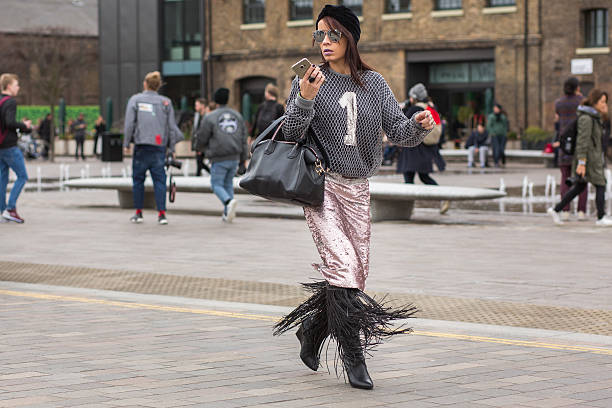
Runway looks are often extreme. Influencers and street-style photographers help translate them into something wearable. When fashion bloggers attend fashion week and post their own outfits outside the shows, they show how trends can fit into normal life.
Street style is powerful because it feels real. It’s not just tall models in dramatic lighting — it’s regular people mixing luxury with affordable pieces. A high-end leather jacket might be paired with basic jeans and sneakers. That mix makes the trend feel achievable.
Also, influencers often collaborate with brands. A micro-influencer wearing a budget-friendly version of a runway trend can make it accessible to students and working professionals. Suddenly, that once “elite” style feels possible.
Fast Fashion: Speed Changes Everything
Once a trend gains attention, fast-fashion brands move quickly. Companies like Zara and H&M are known for taking inspiration from runway designs and creating affordable versions within weeks.
This is where things really go viral. When people can actually buy the look at a reasonable price, the trend explodes. You start seeing it in malls, online ads, and local markets. It’s no longer just a fashion statement — it’s everywhere.
Sometimes I feel trends move so fast now that by the time I think of buying something, it’s already “last season.” That’s the pressure of viral culture. Fashion cycles that once lasted years now sometimes last just a few months.
Social Media Algorithms: The Invisible Push
We can’t ignore algorithms. If you like one video about oversized hoodies, your feed will suddenly be full of styling tips for oversized hoodies. It creates the illusion that “everyone” is wearing it, even if it’s just your curated feed.
Hashtags, challenges, and trending audios also play a big role. A dance trend might highlight a certain type of outfit. A viral “aesthetic” — like cottagecore or Y2K — can bring back styles from decades ago.
In fact, Y2K fashion (inspired by early 2000s trends) became huge again mainly because of TikTok creators recreating old celebrity looks. What was once considered outdated suddenly became cool again. Fashion really is cyclical, just with better cameras now.
The Street Decides the Final Verdict
Here’s something interesting: not every runway trend survives. Some ideas fade away quietly. The real decision-makers are everyday people.
If people feel confident wearing a trend, it stays. If it feels uncomfortable, impractical, or forced, it disappears. Comfort has become especially important in recent years. That’s why sneakers with formal wear, oversized fits, and relaxed silhouettes have stayed popular longer.
Sometimes trends even start from the street and move upward. Skate culture, hip-hop fashion, and thrift-store aesthetics have influenced major designers. It’s no longer just runway to street — it’s also street to runway.
Fashion is like a conversation. Designers speak first, celebrities amplify it, influencers interpret it, brands distribute it, and the public decides whether to keep talking about it.
Why Trends Go Viral So Easily Today
Earlier, people waited for fashion magazines to see what was new. Now, information spreads instantly. A runway clip from Paris can be live-streamed and viewed in India within seconds.
We also live in a visual culture. Outfits are no longer just for real life; they’re for photos, reels, and stories. People want looks that stand out on camera. That desire fuels faster adoption of bold styles.
And honestly, trends give people a sense of belonging. Wearing what’s trending makes you feel connected to a larger group. It’s like being part of a silent club where everyone understands the reference.
Final Thoughts
From luxury runways in Paris and Milan to everyday streets and college campuses, the journey of a fashion trend is faster and more connected than ever. It’s shaped by designers, celebrities, influencers, brands, and regular people scrolling on their phones at midnight.
Next time you see a “new” trend everywhere, remember — it probably started months ago under bright lights on a runway. And now, somehow, it has reached your wardrobe.
Fashion doesn’t just travel. It spreads, evolves, and sometimes explodes — all because people decide it’s worth wearing.


