
Why people suddenly get curious about Reiki
A lot of times it starts casually. Someone feels stressed, burnt out, or just generally “off” and thinks, maybe there’s a better way to handle it. Then they start Googling stuff like Reiki Healing Courses because they’ve heard Reiki can help balance energy, reduce stress, and maybe even improve overall wellbeing. Honestly, it’s not unusual — everyone wants to feel calmer and lighter, and Reiki sounds kind of magical without being completely woo‑woo.
Reiki sounds simple but is deeper than it looks
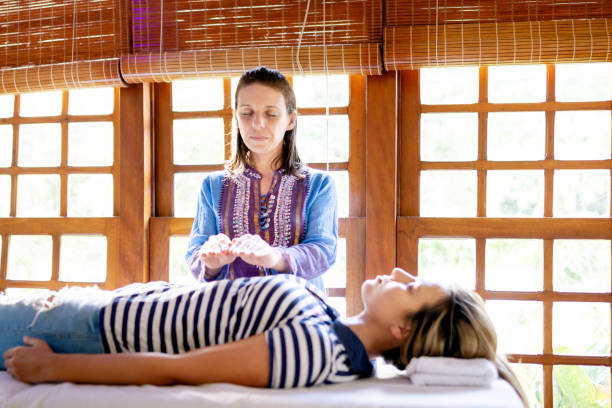
On the surface, Reiki is simple. A practitioner places hands lightly on or above the body to channel energy. But anyone who actually studies it quickly realizes there’s a lot more going on. Reiki isn’t just waving hands around. It’s about understanding energy, intention, and connection. A proper course teaches techniques, hand positions, symbols, and the philosophy behind it.
Learning the history and philosophy
Many beginners are surprised to learn Reiki isn’t just a modern fad. It was developed in Japan in the early 20th century and has a structured lineage. Courses usually explain the history, principles, and ethics of Reiki so students understand the context, not just the techniques. It’s kind of like knowing why a yoga pose is called something instead of just copying it because it looks cool in Instagram photos.
Techniques taught in Reiki courses
During training, students explore multiple levels — starting with self‑healing, then practicing on others, and sometimes advancing to master levels. You learn how to sense energy, channel it effectively, and use specific symbols or chants to enhance the flow. The hands-on practice is surprisingly grounding. Many students say it feels almost meditative, like they are both relaxed and focused at the same time.
How Reiki courses help personal growth
Beyond learning to heal others, many participants report personal benefits. Stress decreases, sleep improves, and emotional clarity increases. It’s not instant, and it’s not a miracle, but consistent practice helps people feel more balanced. That’s why even those who never intend to become professional Reiki practitioners still find courses valuable.
The teacher-student connection matters
A lot of the value in Reiki courses comes from learning directly under a trained practitioner. The guidance, feedback, and energy of a teacher help students understand nuances they wouldn’t notice on their own. Group sessions also create a shared learning environment where students can practice and exchange experiences.
Reiki in the modern wellness world
With busy schedules, digital overload, and stress levels rising, Reiki has become a popular tool for self-care. People aren’t just looking for relaxation; they want a method that feels intentional and personal. Reiki courses offer structure and credibility for those who want to explore energy healing seriously.
How short or long courses work
Not all courses are long and intensive. Some are weekend workshops, others last a few weeks. A well-structured course focuses on practical experience alongside theoretical understanding. Even shorter programs can teach essential techniques for self-healing and helping others, which is enough for many people starting out.
Certification and next steps
Completing a Reiki course often comes with a certificate. While the certificate itself doesn’t make someone a miracle healer, it does validate the training received and provides confidence to continue practicing. Many students go on to offer sessions to friends, family, or clients in a professional setting.
Is it worth enrolling?
Honestly, if you’re curious about energy, personal growth, or stress reduction, Reiki healing courses are worth exploring. They offer structured learning, practical experience, and a chance to connect with your own energy. Even if you never intend to teach, you can walk away with tools to improve wellbeing for yourself and others.


