
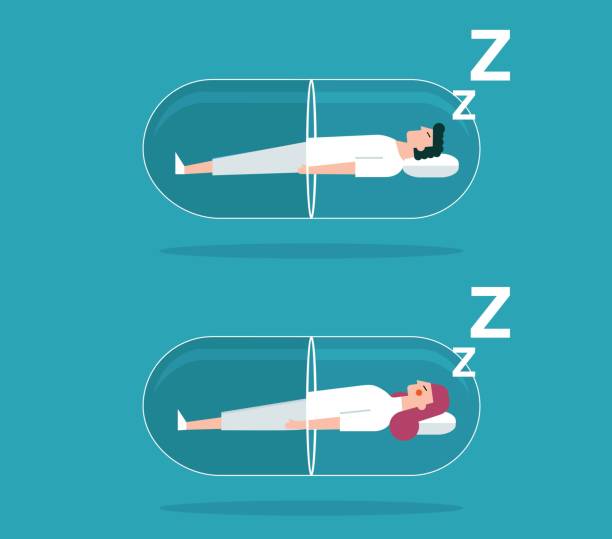
In today’s fast-moving world, sleep often feels optional. We stay up late scrolling, binge-watching shows, finishing assignments, or replying to emails. Somewhere along the way, sleep became a luxury instead of a necessity. But science says something very different. Sleep is not wasted time. It is not laziness. In fact, it might be the most powerful and natural medicine our body has.
Let’s understand why rest is truly your best medicine.
Sleep Is When Your Body Repairs Itself
When you sleep, your body doesn’t “switch off.” It actually becomes more active in certain ways. During deep sleep, your body repairs tissues, builds muscle, and strengthens bones. Growth hormone is released, which helps in recovery and development. If you go to the gym regularly, sleep is just as important as your workout. Without proper rest, your muscles don’t get enough time to repair.
Your immune system also becomes stronger during sleep. Studies show that people who don’t get enough sleep are more likely to catch colds and infections. It’s like your body’s defense army only gets time to train at night. If you cut that time short, your defense becomes weaker.
Brain Detox Happens at Night
One of the most fascinating discoveries in sleep science is about the brain’s cleaning system. While you are asleep, your brain removes waste products that build up during the day. This system is known as the glymphatic system. Think of it like a cleaning crew that comes in after a busy office day.
Research has linked poor sleep with long-term brain problems. For example, scientists have found connections between chronic sleep deprivation and diseases like Alzheimer’s disease. While sleep alone doesn’t prevent such diseases, consistent good rest supports brain health and may reduce risk.
Sleep Improves Memory and Learning
Have you ever noticed that when you study all night, you remember less? That’s because sleep plays a huge role in memory consolidation. When you learn something new, your brain stores it temporarily. During sleep, especially during REM (Rapid Eye Movement) sleep, your brain organizes and strengthens those memories.
Students who get 7–9 hours of sleep generally perform better than those who don’t. It’s almost like your brain hits the “save” button at night. Without sleep, information stays scattered and harder to recall.
Emotional Balance Starts With Rest
Sleep and emotions are deeply connected. When you don’t sleep enough, you become more irritable, anxious, or even sad. Small problems start feeling bigger than they actually are. This happens because sleep affects the amygdala, the part of the brain responsible for emotions.
Chronic sleep deprivation is also linked to mental health conditions like Depression and Anxiety disorder. While sleep is not a complete cure, improving sleep patterns often helps in managing symptoms.
If you’ve ever felt emotionally unstable after a bad night’s sleep, that’s not just in your head. It’s science.
Heart Health and Sleep
Your heart also depends on proper rest. During sleep, your blood pressure drops and your heart rate slows down. This gives your cardiovascular system a break. If you consistently sleep less than 6 hours per night, your risk of heart disease increases.
Studies have shown that people with poor sleep habits have a higher chance of developing Hypertension. Over time, this can lead to more serious conditions like heart attacks or strokes.
So in a way, every good night’s sleep is like a small investment in your heart’s future.
Hormones and Weight Control
Sleep also affects hormones that control hunger. Two important hormones are leptin and ghrelin. Leptin tells you when you’re full, while ghrelin tells you when you’re hungry. When you don’t sleep enough, ghrelin increases and leptin decreases. This makes you feel hungrier, especially for sugary and high-calorie foods.
This is one reason why people who regularly sleep less are more likely to gain weight. Poor sleep is also linked with a higher risk of Type 2 diabetes. Your body’s ability to manage blood sugar becomes less effective without enough rest.
So if you’re trying to lose weight but ignoring sleep, you might be missing a key factor.
How Much Sleep Do You Really Need?
Most adults need 7–9 hours of sleep per night. Teenagers need even more, around 8–10 hours. Children need much more than that. But quality matters as much as quantity. Sleeping 8 hours with constant interruptions is not the same as deep, uninterrupted sleep.
Sleep happens in cycles that include light sleep, deep sleep, and REM sleep. Each stage has its own function. Deep sleep helps physical recovery, while REM sleep supports brain function and creativity.
The Modern Sleep Crisis
Technology has made life easier, but it has also damaged sleep habits. Blue light from phones and laptops suppresses melatonin, the hormone that helps you fall asleep. Late-night scrolling confuses your brain into thinking it’s still daytime.
Stress is another big reason. Work pressure, academic competition, financial worries — all these keep the mind active even when the body is tired.
The result? Millions of people live in a constant state of sleep debt.
Simple Ways to Improve Your Sleep
You don’t need expensive supplements or complex routines. Small changes can make a big difference:
- Go to bed and wake up at the same time every day.
- Avoid screens at least 30–60 minutes before sleep.
- Keep your room cool, dark, and quiet.
- Avoid caffeine late in the evening.
- Try relaxation techniques like deep breathing or light stretching.
Consistency is more powerful than perfection.
Final Thoughts
Sleep is not a weakness. It’s not something you “fit in” after finishing everything else. It is the foundation that supports everything — your health, mood, productivity, and long-term well-being.
When you choose sleep, you’re not being lazy. You’re giving your body and brain the chance to heal, recharge, and grow stronger. In a world full of quick fixes and expensive treatments, sleep remains the most natural and powerful medicine available — and it’s completely free.
So tonight, instead of staying up a little longer, maybe choose rest. Your body will thank you.


