
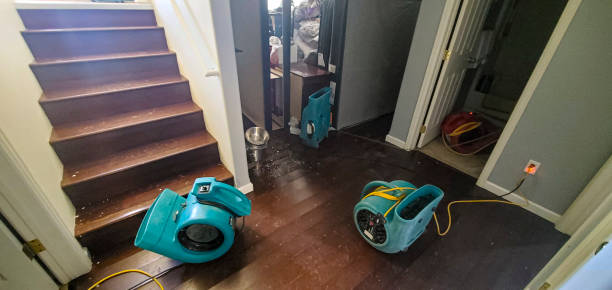
So few years ago I visited my friend’s house and the first thing I noticed… the floor was weirdly soft. Like when you step and it kinda pushes down a little. At first I thought maybe cheap flooring or something but nope. Turned out there was a pipe leaking under the kitchen sink for weeks. Nobody noticed. And by the time they did, half the cabinets and floor had already soaked water like a sponge.
That was actually the first time I heard about water damage restoration services and I remember thinking… wait, this is a whole profession? Like people actually specialize in fixing water disasters inside homes.
But after seeing what water did in that house, it kinda made sense. Because honestly water damage doesn’t look scary in the beginning. A small stain on ceiling, maybe a damp carpet corner, maybe wall paint bubbling a little. Easy to ignore. People always say “I’ll check it later.” Later turns into weeks. And yeah… that’s when things get ugly.
Funny thing is water inside a house behaves almost like gossip in a small town. It spreads everywhere slowly but surely. Behind walls, under floors, inside insulation… places you didn’t even think about.
Small Leaks… Big Problems Later (and people still ignore them)
One thing I noticed from reading home repair forums and random tweets is people underestimate leaks a lot. Someone posted a photo once of a small ceiling stain and asked “Is this serious?” Half the replies were basically telling him to check it asap.
Because water rarely stays where you first see it.
It travels along wood beams, drywall, pipes… gravity does its thing. And the scariest part? Mold starts growing pretty fast. Some indoor air research people say mold spores can start forming in around 24 to 48 hours if moisture stays there. That’s like two days. Pretty crazy if you think.
Another thing people don’t realize is insulation damage. When insulation gets wet it basically stops doing its job properly. That means your house can start losing cool air or heat faster. Which also means your electricity bill might randomly increase and you’re sitting there confused like “why is AC working so hard?”
Stuff like that is why professional water damage restoration services even exist. Because drying a house properly is not same as just opening windows and turning on a fan. Those guys bring huge machines, moisture detectors, industrial dryers… equipment that honestly looks like something from construction site.
What Restoration Teams Actually Do (it’s more than drying)
Before I read about it I honestly thought restoration just means sucking water out and putting fans everywhere. Simple right? Not exactly.
Most restoration professionals actually inspect the structure of the house first. They check walls, ceilings, floor boards and hidden cavities. Water loves hiding there. And if it stays trapped it keeps damaging stuff slowly.
Drywall is one example. Drywall absorbs water like crazy. Once it gets soaked badly sometimes the only solution is removing that section completely. Sounds dramatic but if you leave wet drywall there… mold will probably throw a party inside it.
I even read a stat from an insurance blog once saying water damage claims are one of the most common homeowner insurance claims in the US. Something like one in every sixty homes deals with it each year. I don’t remember exact number but it was surprisingly high.
So yeah… this isn’t a rare problem at all. It’s just not something people post about unless their basement turns into a swimming pool.
DIY Fixes People Try (sometimes good… sometimes not)
People love DIY solutions. Especially after watching YouTube tutorials. I do it too sometimes honestly.
But water damage is tricky because the visible water is usually not the main problem. It’s the hidden moisture. Floors might look dry on top but underneath… still wet.
A guy on Reddit once shared his story where he dried his flooded room using three fans and a heater. Everything looked fine for two weeks. Then the laminate flooring started lifting and smelling weird. Turns out moisture was trapped under the boards the whole time.
Then he had to call professionals anyway and remove the floor completely.
Situations like that are where proper water damage restoration services become important. They use moisture meters and thermal cameras to find wet spots people normally can’t see. Kinda like doctors doing scans to find problems inside the body.
Why Waiting Makes Everything Worse (seriously)
If there is one thing most restoration experts repeat again and again, it’s speed.
Water damage is one of those problems where time literally equals money. In the first day or two, damage might just involve drying carpets and cleaning surfaces. Wait longer and suddenly you’re replacing drywall, insulation, wooden beams… maybe even parts of flooring.
I saw a homeowner story online where someone ignored a slow roof leak because the stain looked small. Few months later part of the ceiling collapsed after a heavy rain. That repair cost thousands. All from a tiny leak that probably could’ve been fixed early.
Houses are weird like that. Small issues snowball into huge problems.
That’s also why specialists usually recommend contacting water damage restoration services as soon as signs appear. Stuff like musty smell, warped wood, ceiling spots, bubbling paint… those are warning signals your house is giving.
Ignoring them rarely ends well.
And honestly after learning all this I kinda see houses differently now. We think buildings are solid and tough, but water proves the opposite. It sneaks into tiny gaps, spreads quietly, and suddenly your living room starts feeling like a damp cave.
So yeah if something ever leaks in your house… trust me don’t just hope it dries by itself. Getting help from water damage restoration services early might feel like overreacting, but most of the time it actually saves a lot of stress, and money too. Houses are expensive enough already… no need to let water make things even worse.


