
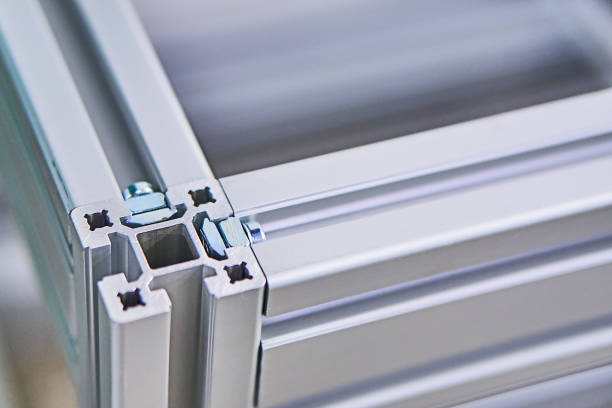
T-slot framing works because the profiles and fasteners are designed to interact without turning every joint into a machining project. A well-chosen fastener keeps parts aligned, spreads load where it should, and still leaves room for later adjustment. The right choice depends on the joint, the hardware being mounted, and how often the frame may need to change.
T-Nuts Form the Basic Connection Point
T-nuts are among the most common fasteners used with aluminum framing material because they create a threaded attachment point inside the profile slot. Depending on the design, they may slide in from the end of the profile or enter through the open face of the slot. That difference matters during assembly. End-loaded nuts work well when the profile ends are still accessible, while drop-in or roll-in styles help when a bracket needs to be added after the frame is already built.
The nut size must match both the slot geometry and the bolt thread. A loose fit can let hardware shift under vibration, while an oversized part may not seat properly at all. On MiniTec Aluminum Framing, matched slot nuts make it easier to mount brackets, panels, handles, sensors, and accessories without drilling through the main profile.
Standard Bolts Handle Many Everyday Joints
Socket-head cap screws are a practical match for T-slot systems because they are compact, easy to tighten with an Allen wrench, and available in many lengths. They are commonly used with brackets, plates, hinges, and accessory mounts. The main concern is getting the bolt length right. Too short, and there may not be enough thread engagement. Too long, and the bolt can bottom out before the joint clamps tightly.
Button-head and flat-head screws also have their place. A low-profile head can help where moving parts pass close to the frame or where a smoother surface is useful. In an extruded aluminum T slot assembly, screw style should follow the geometry of the part being attached rather than appearance alone.
Internal Fasteners Keep the Outside of the Frame Clean
Hidden or internal connectors are useful when outside faces need to stay open for panels, covers, or close-fitting equipment. These fasteners join profiles from within the slot or profile cavity, reducing the number of brackets visible around the frame. They can give machine enclosures and workstations a cleaner layout without giving up mechanical assembly.
Installation method varies by system. Some internal fasteners need profile preparation, while others are designed to reduce drilling or tapping. MiniTec extruded aluminum framing, for example, can use system-specific connection hardware intended to speed up common right-angle joints. Builders still need to follow the hardware requirements for the chosen profile because hidden does not automatically mean interchangeable.
Corner Brackets Use Multiple Fasteners for Stiffness
External angle brackets remain popular because they are simple to install and easy to inspect. A typical bracket uses T-nuts and bolts on both profiles, creating a visible 90-degree connection. Larger brackets or those with several mounting holes can spread force over a wider area, which may help around workstations, conveyor supports, and equipment frames.
Bracket size should match the load and the amount of joint movement that can be tolerated. A light guard may need only a compact connector. A frame supporting heavier components may call for a broader plate or additional fasteners. This is one reason an aluminum framing kit should include hardware selected for the actual structure rather than a random assortment of generic parts.
Joining Plates Work Well Across Flat Connections
Flat joining plates are useful where two members meet along the same plane or where a T-joint needs more contact area. They can bridge profile sections, reinforce intersections, or connect cross members without welding. Because the plate spans a larger surface, several bolts can share the load instead of concentrating force at one point.
These plates also make later changes fairly straightforward. A technician can loosen the hardware, shift a member, or replace a section without cutting the T slot extrusion apart. That flexibility is useful on production equipment that may be revised after installation.
Specialty Fasteners Support Panels, Doors, and Moving Parts
Not every connection in a T-slot frame carries the main structural load. Panel clips, hinge screws, latch hardware, mounting studs, and threaded inserts handle more specific jobs. Their value comes from fitting the profile system cleanly while allowing doors, guards, covers, and accessories to remain serviceable.
A T slot aluminium extrusion frame may also need fastening hardware for linear guides, cable trays, pneumatic components, or sensor mounts. Those connections should be chosen around the accessory load and service conditions. Repeated movement, vibration, or frequent removal can change what type of fastener makes sense.
Match the Fastener to the Joint, Not Just the Slot
Fastener selection works best when builders look at the whole connection. Profile size, load direction, vibration, access, expected adjustments, and surrounding components all matter. Mixing hardware that merely “fits” can create uneven clamping or make maintenance harder later.
For projects that need compatible profiles, connection hardware, and related framing parts from one system, MiniTec Solutions supplies MiniTec Aluminum Framing components and design support for modular industrial builds. That can help manufacturers source fasteners suited to the same profile family rather than piecing together a frame from unrelated parts.


