
Glassware needs more room in packing boxes than it does on kitchen shelves. A chipped rim often comes from pressure inside a crowded box, not a major accident. Sorting ahead of time makes fragile pieces easier to protect and find later.
Start by Separating Everyday Glass from Special Pieces
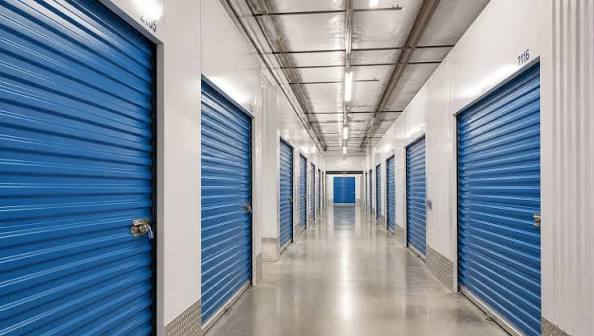
Begin with an inventory rather than emptying every cabinet at once. Drinking glasses, serving bowls, and decorative pieces need different packing methods. Matching sets can share a carton, but each piece needs separate wrapping. Count items in each set and record existing chips so old damage does not get mistaken for a storage accident. Photograph valuable or unusual pieces before boxing them. Households renting storage units can leave a few everyday glasses unpacked for immediate use.
Does Shape Matter More Than Size?
Tall champagne flutes may weigh less than tumblers, but their stems and narrow bases break more easily. Group items by their weak points, not just size. Thin-walled glasses, handled mugs, and heavy pitchers belong in separate groups.
Meanwhile, wide serving dishes can press against smaller pieces if they share a carton. Nesting drinking glasses may save space, but their rims can chip when they touch during transport. Self storage works best when each box holds items that can safely share the same packing arrangement.
Clean the Glass and Let It Dry All the Way
Wash away grease, dust, and drink residue before packing. Trapped moisture can leave musty smells, and food residue may attract pests. Let items air-dry, then check bowl bottoms, handles, and deep grooves with a lint-free cloth. Grooves may stay wet after other surfaces dry. Remove old stickers if the process will not harm a decorative finish. For antique or hand-painted glass, follow the maker’s care instructions rather than reaching for a dishwasher or strong cleaner. Wrapping should begin only once every surface is dry.
Which Boxes Actually Hold Up Around Fragile Glass?
Dish-pack cartons with sturdy walls and fitted cell dividers offer more protection than worn grocery boxes. Inspect seams and corners before loading; a carton that bends easily cannot support much weight. Cell sizes matter because extra space lets glasses move.
Oddly shaped items often fit better in smaller double-wall boxes than in a large carton. Add cushioning across the bottom before packing. People comparing storage units near me should allow space for upright cartons instead of planning to bury them under heavy belongings.
Protect Rims, Handles, and Stems Separately
Wrap each piece in clean, unprinted packing paper and pay attention to its weak points. Support the bowl and stem of a wineglass before covering the whole piece; pulling wrapping too tightly can strain the stem. Handles on mugs and pitchers need cushioning around the open space so pressure does not land on the handle. Extra bubble wrap can go outside the paper for delicate glass, without tape touching the item. Fill gaps inside the carton so contents cannot knock together. Unfilled gaps need more paper before the carton is sealed.
How Should Plates and Drinking Glasses Sit in a Box?
Plates usually travel best upright on their edges, like records, with padding between them. Stacking them flat puts the combined weight on the lowest plate. Large platters need cartons that stop side-to-side movement.
Ordinary tumblers can stand in individual divider cells if their bases rest on cushioning and the rims have room above. Long-stemmed glasses need inserts that support their shape without forcing contact between pieces. Cardboard dividers do not replace individual wrapping for thin glass.
Label for Unpacking, Not Just for Moving Day
Mark the top and two sides of each carton with its contents, room, and box number. Instead of writing only fragile, note six wineglasses or eight dessert plates so nobody has to open several cartons to find a set. Direction arrows help, but correct handling still matters. Keep a simple inventory on a phone or paper outside the unit. Heavy kitchen equipment belongs in separate cartons rather than filling gaps around glassware. Clear labels also help caterers find spare glassware without moving unrelated stock.
Where Do Glassware Boxes Belong Inside the Unit?
Reserve a stable, level space away from doors and objects that might fall or shift. Weight-rated shelving or a clean raised platform can hold cartons off the floor where allowed. Climate-controlled storage can limit temperature swings, but it cannot prevent damage from shifting cartons.
Finally, leave an aisle so renters can reach boxes without shifting heavy furniture above them. Storage Partner provides storage units, including climate-controlled options, at select facilities. Customers can compare sizes and available features before choosing enough space for carefully packed glassware.


