
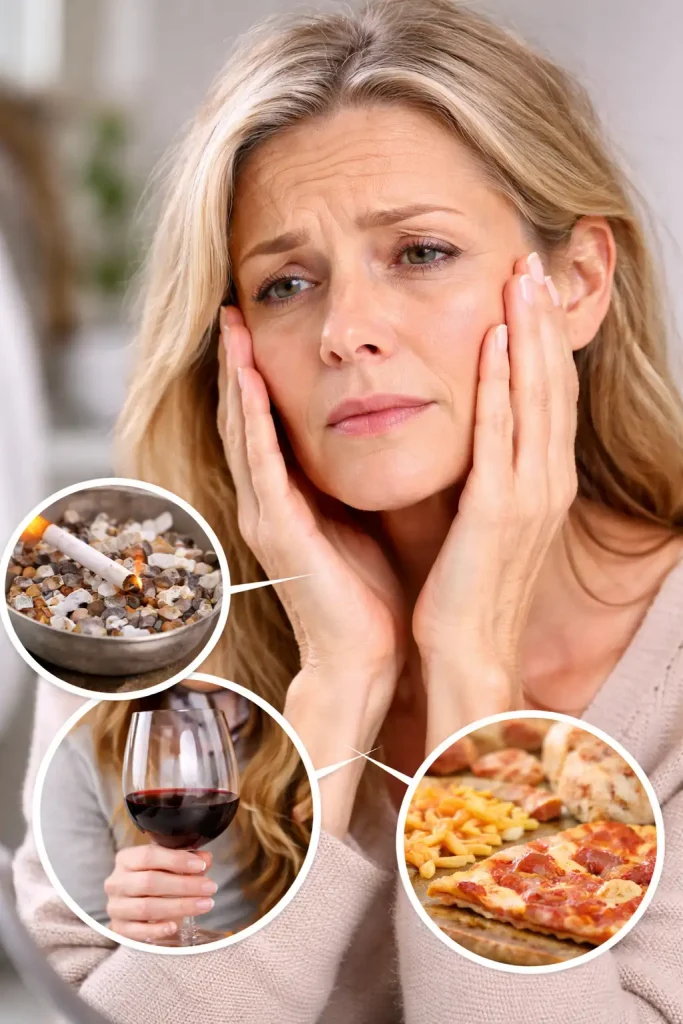
You can fool your coworkers with an extra espresso shot and a touch of under-eye concealer, yet your skin keeps a remarkably honest ledger of every late-night email, skipped lunch break, and chronic stress cycle. In the aesthetic treatment room, I can often tell within thirty seconds of placing a client beneath the magnifying lamp whether they have been running on pure adrenaline for months. When your nervous system stays locked in sympathetic fight-or-flight mode, internal biochemical shifts rewrite how your epidermis and dermis function, turning mental and physical burnout into unmistakable complexion distress.
The Cortisol Cascade and Breakdown of Dermal Collagen
When prolonged work pressure or emotional exhaustion keeps your hypothalamic-pituitary-adrenal axis firing nonstop, your adrenal glands flood the bloodstream with cortisol. While short bursts of cortisol help you meet tight deadlines, chronically elevated cortisol levels wreak havoc on cutaneous biology. Inside the dermis, excess cortisol inhibits fibroblast proliferation and directly suppresses the synthesis of Type I and Type III collagen while accelerating the enzymatic breakdown of existing elastin fibers.
Over a few months of relentless stress, skin begins losing its crisp tensile bounce, leading to premature fine lines around the eyes, hollowness beneath the cheekbones, and subtle laxity along the jawline. At the same time, cortisol impairs microcirculation by constricting peripheral blood vessels, depriving keratinocytes of fresh oxygen and leaving your complexion with that flat, grayish, washed-out pallor so common during high-stress seasons.
Why Stress Triggers Sudden Breakouts and Barrier Sensitivity
If you have ever broken out right before a major presentation or watched calm skin suddenly turn blotchy and reactive during a hectic month, stress hormones are directly responsible. Cortisol stimulates sebaceous glands to pump out thicker, more viscous sebum while simultaneously triggering cutaneous nerve endings to release neuropeptides like substance P. Those neuropeptides amplify localized mast cell degranulation, sparking sudden erythema, itching, and inflammatory papules even in clients who rarely experience acne.
At the exact same time, chronic stress slows down epidermal lipid synthesis, depleting the natural ceramides, cholesterol, and free fatty acids that hold your stratum corneum together. With microscopic gaps opening in your lipid barrier, transepidermal water loss skyrockets, leaving skin feeling tight, flaky, and irritated by products that normally feel soothing.
Dark Circles, Periorbital Puffiness, and Sluggish Lymphatics
Burnout almost always disrupts deep, restorative slow-wave sleep, the exact physiological window when your body releases human growth hormone to repair daily cellular wear and tear. Without adequate deep sleep, lymphatic drainage around the delicate periorbital region slows to a crawl, allowing interstitial fluid to pool beneath the lower eyelids every morning. Combined with dilated, sluggish venous capillaries showing through thin under-eye skin, sleep deprivation creates stubborn bluish-purple shadows and puffy eye bags that cold spoons simply cannot conquer.
Clinical Treatments That Reset Burned-Out Complexions
Recovering from stress-related skin depletion requires gentle, restorative modalities that rebuild barrier integrity and calm neurogenic inflammation rather than aggressive resurfacing peels that add further trauma. Non-thermal red and near-infrared light photobiomodulation recharges sluggish mitochondrial adenosine triphosphate (ATP) production, helping fatigued fibroblasts resume collagen repair while soothing redness.
Pairing LED phototherapy with needle-free electroporation infusions of multi-molecular hyaluronic acid, niacinamide, and biomimetic peptides replenishes parched dermal reserves without needles or downtime. Focusing on combatting stress-induced skin aging through gentle lymphatic sculpting massage and barrier-restoring facials switches your nervous system back into parasympathetic rest-and-repair mode while visibly reviving tired features.
Rebuilding Your Home Routine When Energy Is Low
When you are already exhausted, a complicated ten-step evening skincare ritual usually ends up abandoned in favor of collapsing straight onto your pillow. Keep home recovery effortless by anchoring your routine around three non-negotiable steps: a gentle, pH-balanced cream cleanser that removes pollution without stripping lipids, a barrier-repair serum rich in panthenol and ceramides, and a broad-spectrum mineral sunscreen every morning.
Give Your Skin Permission to Recover
Burnout leaves visible fingerprints across your face, from dull tone and stubborn under-eye puffiness to sudden breakouts and fragile barrier sensitivity. By understanding how cortisol and sleep loss impact cellular repair and choosing calming, deeply hydrating clinical therapies, you can restore vitality and radiance without adding stress to your calendar. Book a restorative skin consultation today to give your overworked complexion the reset it deserves.


