
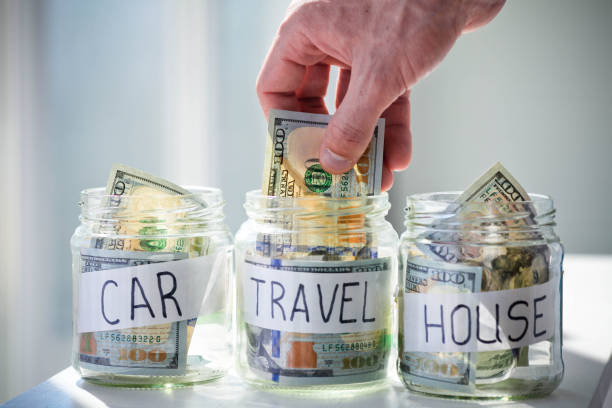
Traveling on a budget doesn’t mean sleeping in dirty hostels or eating instant noodles every night. Honestly, I used to think “budget travel” was just a fancy way of saying “struggle trip.” But over time (and after a few slightly embarrassing airport mistakes), I realized saving money while traveling is more about being smart than being cheap.
Here are some budget travel hacks that actually work in real life — not just on Pinterest boards.
Be Flexible With Your Dates
If you want cheap flights, flexibility is your best friend. Traveling mid-week (especially Tuesday or Wednesday) is often cheaper than weekend flights. Airlines raise prices when they know most people are free — simple supply and demand.
Avoid peak seasons if possible. Traveling to Goa in December? Expensive. Going in late August? Way cheaper (okay, maybe a little rainy, but still fun).
Also, try flying at odd hours. Early morning or late-night flights are usually less popular and sometimes cheaper. Yes, waking up at 4 a.m. hurts… but your wallet will thank you.
Compare, Don’t Just Book
Never book the first flight you see. Compare prices on different platforms before finalizing. Sometimes airline websites themselves have better deals than travel apps.
And one small trick — use incognito mode while searching flights. Some people say prices increase when you repeatedly search the same route. I’m not 100% sure if that’s always true, but honestly… better safe than sorry.
Travel Light (Seriously)
Extra baggage fees are silent money killers. Budget airlines especially charge a lot for checked bags.
Pack smart. Mix-and-match clothes. Choose neutral colors. Wear your heaviest jacket or shoes at the airport if needed (yes, I’ve done that).
Traveling with just a cabin bag saves money and also saves time. No waiting at baggage claim. You just walk out like a pro.
Stay Outside the Tourist Core
Hotels in the center of major cities are usually overpriced. Instead, stay a little outside the main tourist area and use public transport.
For example, if you visit Paris, staying near the outskirts instead of right next to the Eiffel Tower can cut your accommodation cost almost in half. And honestly, metros in most cities are well connected.
Plus, local neighborhoods give you a more authentic experience. You see real life, not just souvenir shops.
Use Public Transport Like a Local
Taxis are convenient but expensive. Public transport is where the real savings happen.
Cities like Bangkok, Tokyo, and London have excellent metro systems. A daily or weekly transport pass is usually much cheaper than booking cabs everywhere.
And if the distance is short? Walk. It’s free. Plus, you notice small cafes, street art, and random beautiful corners you’d miss in a car.
Eat Where Locals Eat
Restaurants near major tourist spots are almost always overpriced.
Instead of eating right outside the Colosseum, walk 10–15 minutes away and find a place filled with locals. If the menu isn’t in five languages and the place is crowded with residents, that’s a good sign.
Street food is also a lifesaver for budget travelers. It’s affordable and often more authentic than fancy restaurants.
. Book Accommodation Smartly
Hotels aren’t your only option. Hostels, guesthouses, and vacation rentals can be much cheaper.
Even if you don’t like sharing rooms, many hostels offer private rooms at lower rates than hotels. Plus, you meet fellow travelers. Sometimes those random conversations lead to free city tours or shared cab rides, which again saves money.
And always check reviews. Cheap doesn’t mean unsafe — but it also shouldn’t mean uncomfortable.
Look for Free Activities
Not everything worth seeing costs money.
Many cities offer free walking tours (you just tip what you can). Museums sometimes have free-entry days. Parks, beaches, and markets cost nothing but can be the highlight of your trip.
In places like Berlin, exploring street art and historical sites can fill your whole day without spending much. Even in New York City, you can enjoy places like Central Park, Brooklyn Bridge walks, and free events.
Research before you go. A little planning can save a lot.
Use Travel Reward Programs
If you travel even once or twice a year, sign up for airline and hotel reward programs. Points add up faster than you think.
I once ignored these programs because they felt complicated. Big mistake. Later I realized I had missed out on free upgrades and discounted stays.
It’s basically free money for doing what you were already doing — traveling.
Avoid Currency Exchange at Airports
Airport exchange counters usually have terrible rates.
Withdraw money from a local ATM instead or use a travel-friendly debit/credit card with low foreign transaction fees. Even a small difference in exchange rate adds up over multiple transactions.
Travel Insurance Isn’t a Waste
This sounds ironic in a “budget” article, but skipping travel insurance can cost you way more later.
Medical emergencies abroad are expensive. Even lost luggage can ruin your budget. Insurance is like a safety net — you hope you never use it, but you’re glad it’s there.
Plan… But Leave Room for Spontaneity
Planning helps you avoid last-minute expensive bookings. But don’t over-plan every minute. Sometimes the best experiences are unplanned — a random festival, a hidden beach, a local recommendation.
Budget travel isn’t about cutting joy. It’s about spending smartly so you can travel more often.
Final Thoughts
At the end of the day, budget travel is more about mindset than money. You don’t need luxury hotels or business-class seats to have an amazing experience.
Be flexible. Do your research. Spend where it matters and save where it doesn’t.
And honestly? Some of my best travel memories came from “budget” trips. Sleeping in small rooms, eating street food, getting slightly lost in unfamiliar streets — that’s where the real stories come from.
Travel smart, not expensive.


