
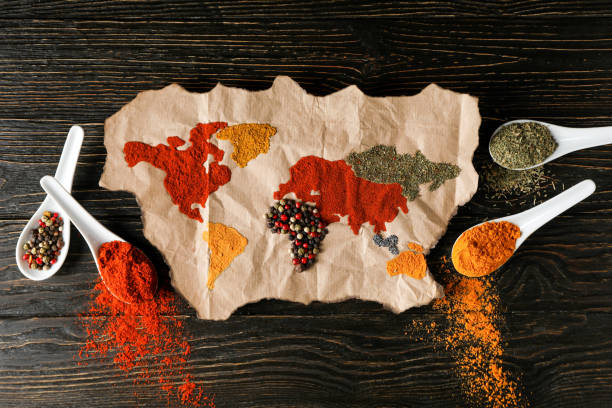
Not too long ago, home cooking mostly meant sticking to what we grew up eating. In many Indian homes, that meant dal, roti, sabzi, rice — simple, comforting, and familiar. In American homes, maybe pasta, grilled chicken, mashed potatoes. In Italian homes, obviously pasta and pizza. You get the idea.
But now? Things are different. Thanks to travel, social media, food delivery apps, and even cooking shows on platforms like Netflix and YouTube, global flavors are entering our kitchens faster than ever. And honestly, it’s kind of exciting.
Home cooking is no longer limited by geography. It’s becoming this beautiful mix of cultures — sometimes perfectly balanced, sometimes slightly confused (I once added soy sauce to rajma… not my best idea). But overall, global flavors are changing how we cook, what we buy, and how we think about food.
The Rise of the “Fusion” Kitchen
Fusion used to sound fancy. Like something you’d only find in expensive restaurants. But now it’s normal.
Butter chicken pasta? Totally acceptable.
Paneer tacos? Why not.
Kimchi fried rice with Indian spices? Go for it.
Dishes like sushi, once considered exotic, are now common even in small cities. You’ll find families experimenting with Japanese-style rolls at home after watching a recipe inspired by Masaharu Morimoto or some viral cooking reel.
What’s interesting is that people aren’t just copying recipes. They’re adapting them. They’re mixing Korean gochujang with Indian tadka. Adding Italian herbs to local curries. Using Mexican tortillas instead of chapati rolls.
It’s not about authenticity anymore. It’s about creativity and comfort.
Social Media Changed Everything
Honestly, social media has done more for global food exposure than any cookbook ever could. Scroll through Instagram for five minutes and you’ll see Thai curries, Turkish desserts, Korean noodles, and American-style burgers — all in one feed.
Food bloggers and chefs like Gordon Ramsay make international dishes feel approachable. They break things down in simple steps, so even beginners feel like, “Okay, maybe I can try this.”
Short videos have also reduced fear. When you see someone make ramen in 30 seconds (even though it probably took them 30 minutes), it looks easy. So you try. And that’s how miso paste suddenly becomes a regular item in your grocery list.
Global cooking doesn’t feel intimidating anymore. It feels trendy and doable.
Ingredients Are More Accessible Now
Ten years ago, finding ingredients like avocado, quinoa, or sriracha in smaller Indian towns was difficult. Now they’re available in supermarkets and even online grocery apps.
Companies have made global ingredients more affordable and accessible. Brands import sauces, noodles, cheeses, and spices from different countries. Suddenly, Italian risotto or Thai green curry doesn’t feel impossible.
Even international chains like McDonald’s and Domino’s Pizza have indirectly influenced home cooking. When people taste peri-peri fries or jalapeño-loaded pizzas outside, they want to recreate similar flavors at home.
It’s funny how fast food experiments sometimes inspire home kitchens more than traditional recipes.
Travel and Exposure
Travel has played a big role too. Someone goes to Thailand, falls in love with pad thai, comes back home and tries to recreate it. Someone studies in Canada and starts baking banana bread regularly.
When people move abroad for work or studies, they learn new food habits. Later, they bring those habits back home. Over time, families slowly adopt those changes.
My cousin studied in Italy for two years, and now olive oil has completely replaced mustard oil in their house. Not saying it’s better or worse — just different. That’s how global flavors quietly settle into daily life.
Health Trends and Global Diets
Another reason global flavors are influencing home cooking is health trends. Diets like Mediterranean, keto, vegan, and gluten-free have become popular worldwide.
The Mediterranean diet, for example, inspired by countries around the Mediterranean Sea, encourages olive oil, fresh vegetables, lean protein, and whole grains. Many Indian families now incorporate hummus, grilled vegetables, and salads regularly because they’ve heard it’s “healthy.”
Similarly, plant-based movements promoted by influencers and documentaries on platforms like Netflix have made tofu, almond milk, and oat flour more common in households that once relied only on dairy and wheat.
Health is global now. So food becomes global too.
Breaking Traditional Rules
Earlier, food traditions were strict. Certain dishes belonged to certain occasions. Breakfast had to look a certain way. Dinner had to be heavy.
Now, rules are flexible.
You can eat pancakes for dinner. You can have sushi for lunch. You can combine Indian spices with American barbecue sauces. Nobody is judging (okay, maybe some elders are, but still).
This flexibility is empowering. Home cooks feel free to experiment without worrying too much about “doing it wrong.”
And honestly, sometimes the mistakes lead to new favorites.
Technology in the Kitchen
Modern kitchen appliances also support global cooking. Air fryers, instant pots, and advanced ovens make it easier to try foreign recipes.
For example, Korean fried chicken at home once sounded impossible. Now, with an air fryer and the right sauce, it’s manageable.
Online grocery apps, recipe blogs, and cooking tutorials reduce the gap between idea and execution. If you don’t know what tahini is, you just Google it. Ten minutes later, you’re making hummus like you’ve been doing it for years.
Cultural Appreciation (and Sometimes Confusion)
Global flavors in home cooking also create cultural appreciation. People learn about different countries through food. You understand Japan a little more when you try making sushi. You connect with Mexico when you cook tacos. Food becomes a bridge.
But sometimes, there’s confusion too. Not every fusion dish respects original traditions. Some combinations might feel odd or inaccurate. Still, food evolves. Every traditional dish today was once an experiment.
So maybe it’s okay if we mix things up a little.
The Future of Home Cooking
Global flavors are not replacing traditional food. They’re blending with it. Dal and pasta can exist in the same kitchen. Idli and avocado toast can share the same breakfast table.
Home cooking today is more open, more experimental, and more connected to the world than ever before.
In a way, our kitchens now reflect globalization better than any economics textbook. Ingredients travel across borders. Recipes cross cultures. And families adapt them in their own unique ways.
The result? Meals that tell stories from different parts of the world — all cooked on the same stove.
And honestly, that’s kind of beautiful.


